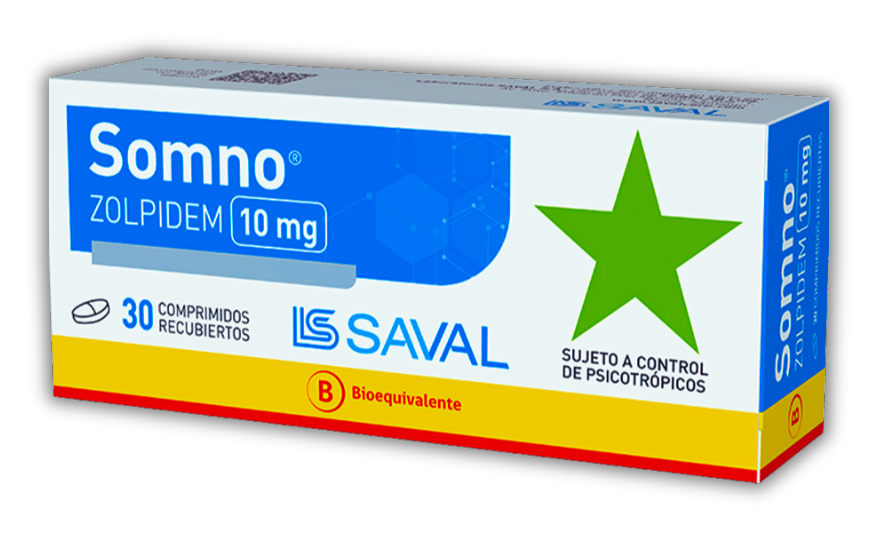
Zolpidem is a widely prescribed hypnotic medication that helps people fall asleep faster. It’s often considered safer than older sedatives, but new research is starting to question its long-term safety and the potential for misuse.
Zolpidem works on specific brain receptors to induce sleep. But if someone uses it for too long or in high doses, it can lead to dependence, withdrawal, and odd behaviours like sleepwalking or even hallucinations.
Knowing how zolpidem works and what risks come with it lets clinicians and patients make smarter choices about its use. Studies show it’s effective for short-term sleep problems, but longer use can mess with sleep patterns and increase the chances of strange night-time behaviours.
Emerging evidence points to the need for close medical supervision, especially for people with mental health issues or a history of substance use.
Key Takeaways
- Zolpidem helps people fall asleep but long-term use brings risks
- Misuse and withdrawal can trigger serious neurological and behavioural symptoms
- Careful prescribing and close monitoring help reduce harm
Clinical Uses and Pharmacological Profile of Zolpidem
Zolpidem is a non-benzodiazepine hypnotic, mainly used for insomnia. It targets certain subunits of the γ-aminobutyric acid type A (GABA_A) receptor complex, causing sedation but with fewer muscle relaxant and anxiety-reducing effects than benzodiazepines.
Its profile supports short-term use for trouble falling asleep, with controlled dosing to limit dependence and next-day grogginess.
Therapeutic Indications and Zolpidem Prescription
Doctors prescribe zolpidem for short-term insomnia, especially when falling asleep is the main issue. It can reduce how long it takes to fall asleep and improve sleep quality for people with transient or chronic insomnia.
The American Academy of Sleep Medicine suggests using medications like zolpidem only after behavioural and cognitive treatments haven’t worked. The usual adult dose is 5–10 mg right before bed.
Doctors lower the dose for older adults or those with liver problems to avoid drug build-up and next-day drowsiness. Using zolpidem for more than four weeks isn’t recommended, since tolerance and dependence can develop. Clinicians watch for unusual side effects like sleepwalking or other complex sleep behaviours.
Pharmacokinetics and Pharmacodynamics
Zolpidem gets absorbed quickly in the gut, hitting peak blood levels within 1.5 to 2 hours. Its bioavailability is about 70%, with moderate binding to plasma proteins.
The liver metabolizes zolpidem mainly through CYP3A4, creating inactive metabolites that leave the body in urine. Its half-life is short—usually 2–3 hours—which helps limit next-day sedation.
Pharmacodynamically, zolpidem binds mainly to the α1 subunit of the GABA_A receptor, boosting inhibitory neurotransmission by letting chloride ions in. This causes sedation but doesn’t create the muscle-relaxant or anticonvulsant effects seen with benzodiazepines.
This selectivity usually means less cognitive impairment and psychomotor disturbance when people use it as directed.
Comparisons with Benzodiazepines and Other Hypnotics
Unlike benzodiazepines (BZDs), zolpidem doesn’t affect the α2, α3, and α5 subunits of the GABA_A receptor much. So, it has fewer anxiety-reducing and muscle-relaxant effects but still works as a hypnotic.
Both drug classes are positive allosteric modulators, but zolpidem is a non-benzodiazepine hypnotic in the Z-drug group. Studies suggest zolpidem causes less memory trouble and less disruption of sleep architecture than benzodiazepines. It also seems to have a lower risk of tolerance when used briefly.
Compared to other Z-drugs like zaleplon and zopiclone, zolpidem can help keep people asleep a bit longer but may cause more residual sedation if misused. Careful dosing and monitoring are key for safety and benefit.
Adverse Effects, Safety, and Complex Sleep Behaviours
Zolpidem helps with sleep onset and duration but can bring cognitive, behavioural, and motor issues. Reports mention unwanted effects like daytime sedation and complex sleep behaviours, which can lead to injury if not caught early.
Patient traits, dose, and other health problems all play a big part in safety.
Adverse Events and Residual Effects
Because zolpidem doesn’t last long, next-day drowsiness is less common than with older hypnotics. Still, residual effects like daytime sleepiness, impaired alertness, and slower reaction times do happen—especially with extended-release forms or higher doses.
Common side effects include headache, dizziness, nausea, and brief amnesia. Some people get confused or agitated within hours of taking it.
Women and older adults are more likely to feel lingering sedation, probably due to slower drug clearance. To cut down on these problems, clinicians stick to the lowest effective dose and encourage good sleep hygiene instead of upping the medication.
It’s smart to avoid alcohol and other depressants, since they make sedation and cognitive issues worse.
Sleep‑Related Complex Behaviours and Sleepwalking
Some people experience complex sleep behaviours (CSBs) like sleepwalking, sleep-related eating, sleep driving, or sexual disinhibition. These happen while asleep, and the person usually doesn’t remember it later.
Reviews suggest up to 4–5% of treated patients get these behaviours, sometimes even at normal doses. Case reports often point to zolpidem as the likely cause. Triggers can include upping the dose, using antidepressants, or being sleep-deprived.
Since CSBs can be dangerous, agencies like the US FDA require warning labels about these risks. If any complex behaviour shows up, doctors should stop zolpidem right away and look for other medical or psychiatric issues.
Considerations in Elderly Patients
Elderly patients feel zolpidem’s sedative and cognitive effects more strongly, due to slower metabolism and greater brain sensitivity. Even regular doses can cause long-lasting sedation, balance problems, and falls.
Studies show bigger drops in psychomotor performance and memory the morning after taking zolpidem. Cutting the dose in half, using immediate-release forms, and focusing on non-drug approaches to improve sleep can help keep things safer.
Regularly reviewing medications and educating patients helps prevent dependence and accidental misuse. Close monitoring for residual effects is crucial to make sure the benefits don’t get overshadowed by the risks in this group.
Misuse, Dependence, and Withdrawal Risks
Zolpidem works well for short-term insomnia, but there’s a real risk of misuse, dependence, and withdrawal for some people. These problems can show up with both medical and non-medical use, depending on dose, duration, and individual vulnerability.
Patterns of Zolpidem Misuse and Abuse
Misuse often starts when people take more than prescribed or use zolpidem for effects like euphoria or anxiety relief. Some take it during the day to feel relaxed or for mild perceptual changes.
Mixing zolpidem with other depressants, like alcohol or benzodiazepines, seems to speed up misuse. Women and older adults might misuse it unintentionally because their bodies clear the drug more slowly, leading to more side effects. Younger adults or those with a drug abuse history are more likely to misuse zolpidem recreationally.
Most people stick to short-term, safe use, but a minority escalate the dose, develop tolerance, and keep using it longer than recommended. Common reasons for ongoing use include trouble sleeping without zolpidem and wanting its calming effects.
Addictive Potential and Zolpidem Dependence
Zolpidem binds to the GABA-A receptor complex, mainly the α1 subunit responsible for sedation. People once thought it had low addictive potential, but later research found that repeated stimulation can cause dependence—much like benzodiazepines.
Dependence can sneak up gradually, showing up as cravings, losing control over dose, or withdrawal discomfort when stopping. Daily use for more than three or four weeks raises the risk. Those with past substance use disorders or mental health issues are especially vulnerable.
Physical dependence means needing higher doses for the same effect. Psychological dependence often looks like fear of insomnia without the drug. Careful monitoring and slow dose reduction help keep these risks in check.
Withdrawal Symptoms and Withdrawal Syndrome
Stopping zolpidem suddenly after long-term or high-dose use can cause withdrawal symptoms like rebound insomnia, anxiety, tremors, sweating, agitation, or even seizures. These signs reflect a temporary imbalance in brain chemistry.
Severe withdrawal syndromes are rare but do happen. Some people experience hallucinations or delusions, especially after quitting high nightly doses. Tapering off the drug slowly usually prevents these reactions.
Withdrawal symptoms usually show up within a day or two after stopping and fade over a week or two. Educating patients about dose limits and how to stop safely helps avoid withdrawal and relapse.
Case Reports and High-Risk Populations
Case reports describe zolpidem misuse leading to mania, psychosis, or hallucinations, especially at doses over 100 mg a night. Some people felt euphoric, then confused or amnesic. These effects usually clear up after stopping the drug, but sometimes short-term psychiatric care is needed.
People at higher risk include those with a history of drug misuse, chronic mental illness, or who take other sedatives. In elderly patients or those with liver problems, slower metabolism raises drug levels, so even normal doses can be risky.
There are also reports of withdrawal seizures and acute agitation after suddenly stopping long-term zolpidem. Careful monitoring and gradual tapering help prevent serious withdrawal issues.
Management of Zolpidem-Related Problems and Clinical Guidelines
Managing zolpidem-related problems takes a structured approach—support for withdrawal, secure prescribing, and attention to patients at risk for complications or misuse. Clinicians rely on evidence-based strategies, mixing medication and behavioural support, to reduce harm and keep use short and safe.
Detoxification Strategy and Treatment Approaches
Detoxification usually means gradual dose reduction instead of stopping suddenly, especially for people with dependence or long-term use.
Tapering schedules depend on the daily dose and how long someone’s been taking the medication. Cognitive behavioural therapy for insomnia (CBT-I) often helps manage rebound symptoms during this process.
Pharmacological aids can make withdrawal more tolerable. Flumazenil, a GABA(_A) receptor modulator, sometimes restores receptor sensitivity in cases of tolerance.
Some clinicians use gabapentin, pregabalin, or low-dose quetiapine off-label to control anxiety or agitation, especially if the patient also has anxiety or mood disorders.
In severe withdrawal, short hospital-based detoxification provides safety monitoring.
Interdisciplinary care, including psychiatric evaluation, supports people with coexisting substance use or anxiety disorders.
Follow-up visits check for relapse risk and make sure patients don’t substitute other sedatives or alcohol.
After detoxification, it’s important to educate patients about the short-term role of zolpidem and reinforce sleep hygiene.
Prevention and Prescription Regulations
Preventing misuse starts with strict adherence to prescribing guidelines.
In several European countries, including France, zolpidem prescriptions require secure prescription pads to prevent overuse and unauthorized refills.
Clinicians should stick to the lowest effective dose for no more than two to four weeks.
Pharmacy records and repeat prescription audits help spot high-risk behaviors like dose escalation or duplicate dispensing.
If dependence seems likely, primary care providers should review medication history before renewing prescriptions.
Pharmacovigilance, combined with public education, discourages self-medication and online buying.
Prescribers should document clinical justification and reassess treatment efficacy regularly.
These steps encourage accountability and help keep zolpidem available only for appropriate use.
Guidelines and Alternatives in Special Populations
Clinical guidelines urge caution when prescribing zolpidem to older adults, pregnant women, and people with psychiatric comorbidities.
Older patients metabolize zolpidem more slowly and are more sensitive, so starting at 5 mg or using intermittent dosing is usually safer.
For patients with depression, anxiety, or psychosis, combining zolpidem with antidepressants or antipsychotics means close monitoring for interactions.
Non-drug interventions like sleep hygiene education, CBT-I, and mindfulness-based therapies often bring safer, longer-lasting results.
A comparison of options is below:
| Condition | Preferred Approach | Notes |
|---|---|---|
| Older adults | Low-dose, short-term zolpidem or CBT-I | Avoid extended use |
| Anxiety or depression | Gabapentin, pregabalin, or antidepressant adjuncts | Monitor sedation |
| Pregnancy or lactation | Non-drug approaches preferred | Limited safety data |
Frequently Asked Questions
Recent research on zolpidem explores its long-term effectiveness, safety profile, and changing treatment recommendations.
Studies also point to growing awareness of genetic differences, dependence risks, and the role of alternatives like cognitive behavioural therapy for insomnia.
What are the latest findings on the long-term efficacy of Zolpidem for insomnia treatment?
Recent reviews show zolpidem works well for short-term sleep onset insomnia, but its effects can fade with longer use.
Long-term studies found only modest improvements in sleep latency after several months, and tolerance often develops.
Combining zolpidem with behavioural therapy can improve sleep quality and let patients use lower doses.
Tapering the medication gradually seems to help sustain benefits and limit rebound insomnia when stopping therapy.
How does Zolpidem’s mechanism of action differ from other sedative-hypnotic drugs?
Zolpidem targets the GABA-A receptor—mainly the α1 subunit—which promotes sleep without causing much muscle relaxation or anticonvulsant effect.
This sets it apart from benzodiazepines, which hit a wider range of receptor subtypes.
Because of this, zolpidem usually causes less next-day drowsiness and cognitive impairment.
At higher doses, though, it can lose this selectivity and act more like a classic benzodiazepine.
What are the current guidelines on the appropriate dosage and duration of Zolpidem therapy?
Most guidelines say to use zolpidem only short-term, not longer than four weeks.
The standard adult dose is 10 mg at bedtime, but many countries recommend 5 mg for women and older adults due to slower metabolism and greater sensitivity.
Patients should only take it when they can get a full night’s sleep—at least seven or eight hours.
Long-term use needs careful monitoring for tolerance, dependence, or cognitive side effects.
Are there any new insights into the potential dependency and withdrawal issues associated with Zolpidem?
New findings confirm that physical and psychological dependence can develop with long-term or high-dose zolpidem use.
Some people have experienced withdrawal seizures and rebound insomnia after stopping suddenly, especially if they were taking large daily doses.
Gradual dose reduction is still the best way to avoid withdrawal symptoms.
Clinicians emphasize screening for substance use disorders before starting treatment.
What alternative treatments to Zolpidem have recent studies suggested for managing sleep disorders?
Evidence now supports cognitive behavioural therapy for insomnia (CBT-I) as the first-line treatment, offering longer-lasting results than medication.
Other options include melatonin receptor agonists like ramelteon and dual orexin receptor antagonists such as suvorexant or daridorexant.
Relaxation training, stimulus control, and better sleep hygiene all remain effective non-drug strategies.
These approaches can reduce the need for hypnotic medicines.
How have recent discoveries in pharmacogenomics impacted the prescribing practices for Zolpidem?
Pharmacogenomic research has found genetic quirks that change how people metabolize and react to zolpidem. Enzymes like CYP3A4 and CYP2C19 seem to play a big role here.
These discoveries help explain why some folks feel the effects of zolpidem more strongly or for longer. It’s not just one-size-fits-all anymore.
Doctors now look at things like age, sex, and genetic differences before picking a dose. There’s still a lot to figure out, but the goal is to cut down on side effects and make zolpidem safer for everyone.