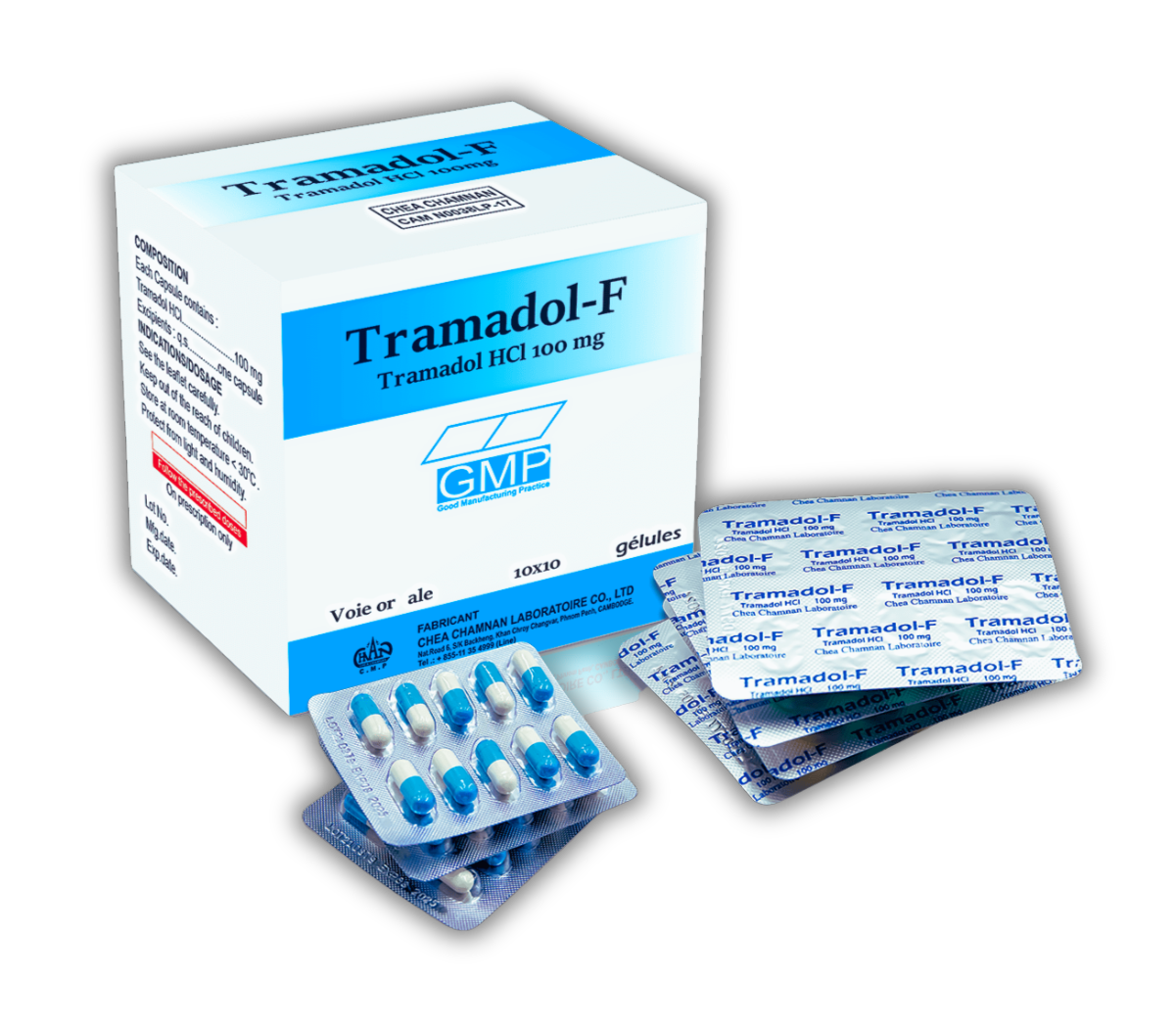
Tramadol’s become a staple in pain management worldwide, mostly because it acts on both the opioid system and neurotransmitter pathways. It binds weakly to opioid receptors and also tweaks serotonin and noradrenaline levels in the brain.
This unusual combo makes tramadol useful for moderate to moderately severe pain, as long as folks use it under medical guidance. When it works, it really works—but only if you’re following the rules.
Recent studies show tramadol helps with chronic pain tied to arthritis or neuropathy, but effectiveness depends on things like dose, length of use, and your overall health. Long-term use raises flags about tolerance, dependence, and side effects like nausea or drowsiness.
Key Takeaways
- Tramadol blends opioid and neurotransmitter effects to ease moderate pain.
- Short-term use looks promising, but safety and dependence are real concerns.
- Researchers are still figuring out where tramadol fits best in pain management.
Pharmacological Mechanisms and Metabolism
Tramadol acts on both opioid and non-opioid systems. It targets pain transmission at several spots in the central nervous system.
It binds to μ-opioid receptors and also messes with serotonin and noradrenaline pathways. The way your body handles tramadol depends on its metabolism through cytochrome P450 enzymes, which can vary a lot from person to person.
Dual Mechanism of Action: Opioid Agonism and Serotonin/Noradrenaline Modulation
Tramadol is a synthetic opioid analgesic that works centrally. It’s a weak μ-opioid receptor agonist and also blocks the reuptake of serotonin and noradrenaline.
These two actions combine to provide pain relief both in the spine and higher up in the brain. Its main active metabolite, O-desmethyltramadol (M1), sticks more strongly to μ-opioid receptors than tramadol itself, boosting opioid-driven pain relief.
The parent molecule’s effects on monoamine reuptake help modulate pain through descending pathways. Because of this dual mechanism, tramadol stands apart from classic opioids and gives a more balanced, moderate analgesic effect.
Racemic Mixture and Enantiomers
Tramadol comes as a racemic mixture—two mirror-image molecules: (+)-tramadol and (–)-tramadol. Each one brings something different to the table.
- The (+)-enantiomer binds more to μ-opioid receptors and blocks serotonin reuptake more strongly.
- The (–)-enantiomer mostly blocks noradrenaline reuptake, which helps with pain signaling.
This blend lets tramadol use both serotonergic and noradrenergic systems while keeping opioid activity in check. That’s probably why it lands in the middle for potency—stronger than some, weaker than others, but often just right for moderate pain.
Cytochrome P450 Metabolic Pathways and Genetic Influence
The liver breaks tramadol down mainly through cytochrome P450 (CYP) enzymes, especially CYP2D6 and CYP3A4. CYP2D6 does the heavy lifting, turning tramadol into O-desmethyltramadol, which is responsible for most of the opioid punch.
Your personal CYP2D6 genotype can make a big difference. If you’re a poor metaboliser, you don’t make much M1 and get less pain relief; if you’re an ultra-rapid metaboliser, you might get more side effects like respiratory depression or even dependence.
| CYP2D6 Phenotype | M1 Formation | Analgesic Effect | Risk Profile |
|---|---|---|---|
| Poor Metaboliser | Low | Weak | Minimal opioid activity |
| Intermediate | Moderate | Adequate | Typical response |
| Ultra-rapid | High | Strong | Greater opioid side effects |
Some antidepressants, like paroxetine or bupropion, can block CYP2D6 and change how your body processes tramadol. That’s why doctors need to think about both your genes and any other meds you’re taking.
Clinical Efficacy and Therapeutic Applications
Tramadol brings real pain relief in a bunch of different medical situations. That dual action—opioid receptor agonism plus norepinephrine and serotonin reuptake inhibition—makes it versatile, and usually pretty safe if you stick to the rules.
Effectiveness in Moderate to Severe Pain Management
Doctors often reach for tramadol to treat moderate to severe pain from things like musculoskeletal disorders, surgery, or chronic illness. Recent studies (2023–2025) show it can lower pain scores compared to placebo, but the benefits depend a lot on dose and the specific patient.
It changes how you feel pain and can even affect your emotional response to discomfort. After surgery, people usually notice pain relief within hours, and the extended-release versions help keep things steady for chronic pain.
That said, not everyone responds the same way. Some research suggests tramadol works about as well as NSAIDs or weak opioids. Doctors have to weigh those results against the risk of tolerance or dependence, especially with longer use.
Treatment of Neuropathic Pain Conditions
Neuropathic pain—think nerve injuries or diabetes—can be tough to treat. Tramadol’s unique blend of actions makes it different from typical opioids here.
By blocking serotonin and norepinephrine reuptake, it boosts the body’s natural pain-dampening systems. Randomised trials show it helps with pain from diabetic neuropathy, postherpetic neuralgia, and spinal cord lesions.
Many people report a better quality of life and more function. Still, doctors recommend starting low and going slow to avoid dizziness, stomach upset, and sleep issues. It’s not the strongest out there, but when other treatments flop, tramadol is a reasonable backup.
Comparative Potency and Combination Therapies
Tramadol isn’t as strong as morphine, but it gives a more balanced effect with less risk of slowing your breathing. Usually, oral tramadol is about one-tenth as potent as morphine per milligram, though your metabolism can shift that balance.
Pairing tramadol with acetaminophen or other non-opioid painkillers can boost its effect without cranking up the dose. These combos are common for chronic osteoarthritis or cancer pain, helping control symptoms and cut down on opioid use.
Doctors often mix and match, building a pain plan that fits your age, health issues, and goals. This “multimodal” approach aims for pain relief and safer long-term treatment, though it’s definitely not one-size-fits-all.
Adverse Effects and Safety Considerations
Tramadol’s safety profile runs the gamut from mild to severe, depending on dose, length of use, and who’s taking it. Its action on both opioid receptors and serotonin reuptake brings some unique neurological and psychological risks.
Common and Serious Adverse Effects
Most people notice nausea, dizziness, constipation, dry mouth, or drowsiness. These show up in more than one in ten users and usually ease up over time or with a dose tweak.
While mild side effects rarely make people stop taking it, they can still get in the way of daily life. Serious problems can hit the central nervous system, heart, or urinary tract.
Severe dizziness, confusion, or fainting might mean low blood pressure or not enough oxygen. Seizures, though rare, can happen—especially if you’ve got epilepsy or take antidepressants that lower your seizure threshold.
Allergic reactions like trouble breathing, swelling, or rash call for immediate help. Long-term use can lead to tolerance, dependence, or withdrawal if you suddenly stop, so tapering under a doctor’s watch is key.
| Severity | Example Symptoms | Frequency |
|---|---|---|
| Very Common | Nausea, dizziness | >1 in 10 |
| Common | Constipation, headache | >1 in 100 |
| Serious | Seizure, confusion, allergic reaction | <1 in 100 |
Serotonin Syndrome and Neurotoxicity Risks
Since tramadol blocks serotonin and noradrenaline reuptake, mixing it with antidepressants, MAOIs, or triptans can trigger serotonin syndrome. That’s a nasty set of symptoms: agitation, muscle stiffness, tremor, sweating, and fever—and it can turn dangerous fast.
High doses or combining with other serotonergic meds can push you into serotonin toxicity, with confusion or even seizures. It’s all about too much serotonin building up in the brain.
Chronic use or misuse can also lead to neurotoxic effects like insomnia, restlessness, or clumsiness. Most doctors steer clear of mixing tramadol with other serotonin-boosting drugs to keep these risks down.
Impact on Mental Health and Cognitive Function
Tramadol can definitely mess with mood, cognition, and emotions, thanks to its effects on both opioid and monoaminergic systems. Some folks feel euphoria, anxiety, or depression during use or when stopping.
If you’re prone to mental health issues, long-term tramadol could make emotional ups and downs worse or spark dependency. Cognitive problems—like trouble focusing, slower reaction times, or memory slips—can make work or driving unsafe.
Its sleepy effects also raise the risk of falls, especially in older adults. Dependence can drag down quality of life, causing cycles of craving, withdrawal, and feeling stuck. Doctors keep an eye out for these changes and tweak treatment if needed to help patients stay steady.
Dependence, Misuse, and Regulatory Perspectives
Tramadol’s double life as a synthetic opioid and monoaminergic agent gives it real value for moderate pain, but also a risk for dependence and misuse. Recent research points to more non-medical use and long-term dependence, which has led to tighter monitoring and policy changes in many places.
Risk of Dependence and Misuse
Tramadol works on μ-opioid receptors and also blocks the reuptake of serotonin and noradrenaline.
This mix can bring pain relief and sometimes a light euphoria, which bumps up the chance of recreational use or psychological dependence.
While tramadol binds less tightly to opioid receptors than morphine, using it long-term or at high doses still increases the risk of tolerance, withdrawal, and misuse.
Several studies link extended prescriptions—especially those longer than 90 days—to higher rates of opioid dependence and overdose.
People with prior mental health issues, those taking other central nervous system depressants, or anyone with previous opioid exposure face greater risks.
Some places see widespread misuse, thanks to easy access and the mistaken idea that tramadol is a “safe opioid.”
Public health reports show more hospital admissions from tramadol toxicity and withdrawal, particularly among young adults.
Characteristics of Tramadol Dependence
Signs of tramadol dependence look a lot like those seen with other opioids, though the details can differ because of its mixed actions.
Dependence usually sneaks up, starting with tolerance and then shifting to physical and psychological symptoms if you cut back.
People often experience withdrawal symptoms like anxiety, restlessness, sweating, insomnia, and stomach upset.
In severe cases, you might see atypical symptoms—sensory changes, confusion, or even seizures—probably tied to its serotonergic effects.
Tramadol dependence sometimes takes longer to appear than with classic opioids, but it can last longer, too.
Brain scans and clinical ratings show changes in the mesolimbic reward pathway, which can drive compulsive use.
Rates of dependence vary depending on local prescribing habits and how easy it is to get the drug.
In many low- and middle-income countries, people often use tramadol without a prescription, filling gaps in pain care but sidestepping tight controls.
Strategies for Safer Prescribing and Monitoring
Healthcare systems now use more risk-assessment tools and prescription monitoring programmes to try to curb unsafe tramadol use.
Safe prescribing means sticking to the lowest dose that works, keeping treatment short, and checking in regularly to see if it’s still needed.
It’s crucial to talk with patients about the risk of dependence and warn them about mixing tramadol with alcohol or sedatives.
Clinicians should keep records of treatment goals and watch for misuse, using structured checklists when possible.
If dependence shows up, supervised tapering and medications like clonidine can help manage withdrawal and keep things safer.
Many countries have responded by reclassifying tramadol as a controlled substance, hoping to balance pain relief with the need to prevent misuse and illegal sales.
Better data systems are still needed to spot trends in opioid-related harm—that’s a key part of any public health response.
Frequently Asked Questions
Recent evidence has started to shake up old beliefs about tramadol—its safety, usefulness, and how it’s regulated.
New research suggests its pain-relieving effects are modest, dependence is a real risk, and careful, evidence-based prescribing is more important than ever.
What is the mechanism of action of Tramadol in pain management?
Tramadol works in two main ways. It weakly binds to μ-opioid receptors in the brain and spinal cord, which helps block pain signals.
At the same time, it stops the reuptake of serotonin and norepinephrine, boosting its pain-relieving effect by changing how pain is processed.
The (+)-isomer of tramadol has a stronger pull for μ-opioid receptors and blocks serotonin reuptake, while the (−)-isomer mostly targets noradrenaline.
This double action might explain why tramadol works—at least somewhat—for both nerve pain and regular pain.
How do the efficacy and safety profiles of Tramadol compare to other opioids?
Recent reviews, including a 2025 meta-analysis from BMJ Evidence-Based Medicine, show tramadol often gives only a small bump in pain relief compared to placebo for chronic pain.
The difference in pain scores is statistically significant, but honestly, it’s usually not enough to matter much to patients.
Tramadol doesn’t cause as much respiratory depression as heavy hitters like morphine or oxycodone.
Still, people report more nausea, dizziness, and constipation, plus a surprising number of serious side effects—some even heart-related.
What are the latest findings on the risk of dependency associated with Tramadol use?
People used to think tramadol had a low risk of abuse, but newer studies aren’t so reassuring.
Long-term use can lead to physical dependence, and stopping suddenly may bring withdrawal symptoms.
The risk goes up for anyone with a history of substance abuse or those on high total doses.
Withdrawal can look like anxiety, restlessness, and flu-like symptoms—usually milder than with classic opioids, but still not fun.
Are there any recent advancements in how Tramadol is administered for chronic pain?
Extended-release and combo versions are supposed to keep blood levels steady and cut down on how often you need a dose.
But honestly, recent studies don’t show much benefit in chronic non-cancer pain.
Clinical trials haven’t found real improvements in quality of life or how well people function with these newer forms.
Most guidelines now say tramadol should be saved for short-term or acute pain—when non-opioid options just aren’t cutting it.
What potential drug interactions should be considered when prescribing Tramadol?
Tramadol can interact with all sorts of medications that affect the brain or serotonin levels.
Mixing it with SSRIs, MAOIs, or triptans increases the risk of serotonin syndrome, which can get dangerous fast.
Taking it alongside other opioids, sedatives, or alcohol can raise the risk of drowsiness and breathing problems.
Drugs like carbamazepine or fluoxetine can change how tramadol is broken down, which might make it less effective—or more toxic.
Have any recent studies re-evaluated the classification of Tramadol as a controlled substance?
Several countries have started to reconsider tramadol’s legal status because misuse rates keep climbing. The United Kingdom now lists tramadol as a Schedule 3 controlled substance, which shows they recognize its dependency risk but still allow supervised medical use.
Some global analyses say this classification fits for now, though they point out that ongoing monitoring is important. In a few places, authorities are even thinking about tighter rules because reports of non-medical tramadol use and health problems are piling up.