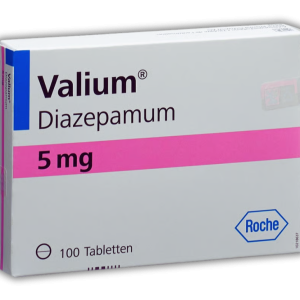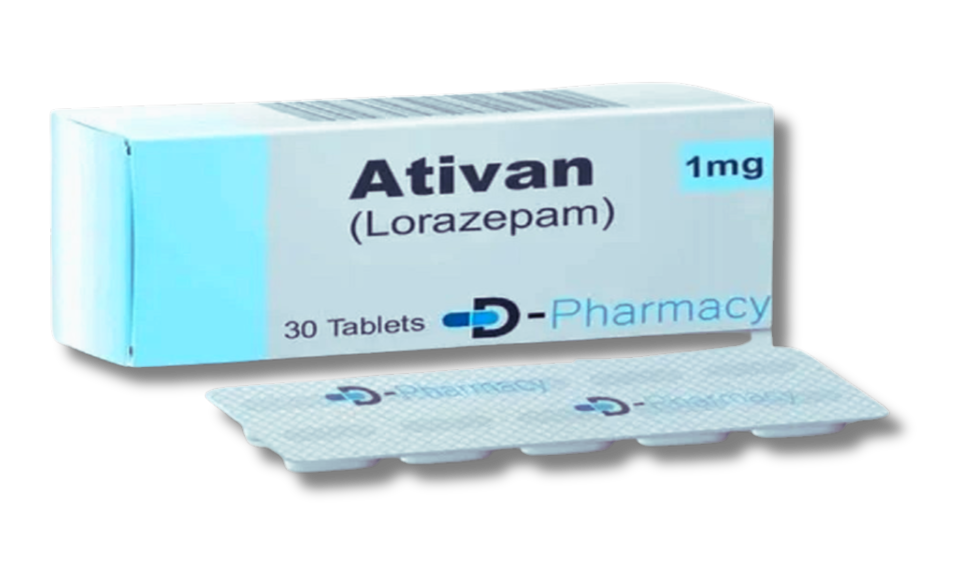
Lorazepam plays a big part in psychiatric and medical care, especially when it comes to managing anxiety and acute agitation. It’s in the benzodiazepine class—these drugs are known for calming things down fast by acting on the brain’s GABA receptors.
Lorazepam works by boosting the brain’s natural inhibition, which helps quiet nervous system overactivity that fuels anxiety, sleep trouble, and tension.
Recent studies point out its effectiveness and talk about new formulations, like extended-release versions that aim to keep blood levels steady and lower withdrawal risk. Pharmacovigilance research has sifted through millions of reports worldwide, looking for patterns in safety—finding common effects like drowsiness, but also rare ones that need close watch.
Key Takeaways
- Lorazepam calms overactive brain circuits by enhancing GABA function.
- Extended-release and careful monitoring help improve safety and stability.
- Ongoing research keeps refining its mental health role.
Pharmacology and Mechanisms of Action
Lorazepam mostly acts on the central nervous system, enhancing inhibitory neurotransmission through specific receptor sites. Its chemical structure and how it moves through the body lead to a quick onset and an intermediate duration, which makes its effects pretty reliable.
Chemical Structure and Classification
Lorazepam fits into the benzodiazepine family of psychoactive compounds. Its chemical name is 7-chloro-5-(2-chlorophenyl)-1,3-dihydro-3-hydroxy-2H-1,4-benzodiazepin-2-one.
This molecule features a benzene ring fused to a diazepine ring, which is where the class gets its name. Hydroxyl and chlorine groups influence how well it dissolves and binds to receptors.
It’s considered an intermediate-acting benzodiazepine—that’s a middle ground between shorter-acting drugs like midazolam and longer-acting ones like diazepam. Lorazepam’s high lipid solubility helps it cross the blood–brain barrier efficiently.
Its chemical stability means it stores well and keeps its potency over time.
Pharmacokinetics of Lorazepam
Lorazepam is absorbed quickly after oral, IV, or IM administration. Peak plasma levels show up within one to three hours after taking it by mouth.
Food doesn’t really change how it’s absorbed. The drug binds tightly to plasma proteins, mainly albumin, with about 90% binding efficiency.
The liver conjugates lorazepam with glucuronic acid, turning it into an inactive metabolite. Unlike some benzodiazepines, it skips oxidative metabolism, so patients with liver problems don’t face as much risk of drug buildup.
The elimination half-life runs about 10 to 20 hours, making it useful for both acute anxiety and short-term sedation. It leaves the body mostly through the kidneys as the glucuronide metabolite.
Neurobiological Effects on the Brain
On a cellular level, lorazepam binds to specific spots on the GABAA receptor complex. This binding increases how often chloride channels open when GABA is around.
The extra chloride flowing in hyperpolarizes the neuron, making it less likely to fire. That’s what brings on the anxiolytic, sedative, anticonvulsant, and muscle-relaxant effects.
In higher doses, it can cause anterograde amnesia—sometimes helpful before surgery. Lorazepam doesn’t activate GABAA receptors on its own; it just tweaks the way natural neurotransmission works, leading to controlled CNS depression.
The clinical profile and side effects depend on which receptor subunits and brain regions it affects most.
Clinical Applications in Psychiatry and Medicine
Lorazepam is a short-acting benzodiazepine used for its anxiolytic, sedative, and anticonvulsant properties. It helps with acute anxiety, calms agitated patients, and assists in procedural sedation in various settings.
When used right, it gives reliable symptom control without too much risk of prolonged sedation or dependence.
Role in the Treatment of Anxiety Disorders
Lorazepam (often called Ativan) is prescribed for generalised anxiety disorder (GAD), panic disorder, and short-term severe anxiety. Its main effect comes from enhancing GABA activity, which quiets the central nervous system.
Clinicians like lorazepam for its rapid onset and predictable results, especially during acute anxiety spikes. Long-term use isn’t recommended because of tolerance and dependence risks.
For ongoing anxiety, doctors usually combine it with behavioural therapy or SSRIs after the initial crisis passes. It’s important to monitor for sedation, impaired coordination, and cognitive slowing, especially in older adults, since fall risk goes up.
Doctors should reassess periodically and taper the medication once therapy starts working.
Use in Sedation and Agitation in Acute Settings
In emergency and hospital care, lorazepam is a go-to for calming acute agitation, especially in psychiatric emergencies or severe distress. It helps stabilize behavior quickly so evaluations can happen safely.
When patients can’t take pills, IV or IM forms are used. Some key uses:
- Managing agitation in delirium or psychosis.
- Preoperative sedation to ease anxiety before procedures.
- Adjunctive seizure control when rapid calming is needed.
Lorazepam’s intermediate half-life and lack of active metabolites make it a good choice for patients with liver problems. Still, close observation is necessary because too much sedation or breathing trouble can happen, especially with other CNS depressants.
Therapeutic Strategies and Dosing Considerations
The main goal is to use the lowest effective dose for the shortest time possible. For anxiety, typical oral doses are 1 to 4 mg daily split up throughout the day.
For acute agitation or sedation, IV doses are tailored based on response, age, and other health issues. Doses should be adjusted slowly to avoid withdrawal symptoms like irritability or anxiety returning.
Tapering schedules and regular reviews are key. Older adults usually start on lower doses to prevent oversedation.
Mixing lorazepam with opioids or alcohol really increases the risk of respiratory depression. So, it’s crucial for practitioners to check for interactions and make sure patients know how to use it safely.
Comparisons with Other Benzodiazepines
Lorazepam stands apart from benzodiazepines like diazepam, clonazepam, or alprazolam in how it’s processed and used. Its moderate duration strikes a good balance between fast relief and less lingering sedation.
Since it has no active metabolites, it’s safer for people with liver issues.
| Feature | Lorazepam | Diazepam | Alprazolam |
|---|---|---|---|
| Onset | Fast | Very fast | Moderate |
| Duration | Intermediate | Long | Short |
| Metabolites | None (non-active) | Active | Active |
| Common Use | Acute anxiety, agitation | Muscle spasm, chronic anxiety | Panic disorder |
Lorazepam’s predictable absorption and reliable efficacy make it a favorite in hospitals and acute psychiatric settings. But, as with all benzodiazepines, there’s always a need for careful monitoring to avoid tolerance and dependence.
Safety, Tolerability, and Recent Developments
Lorazepam is still widely prescribed because of its predictable pharmacokinetics, moderate half-life, and solid track record in treating anxiety and acute agitation. Even so, clinicians keep a close eye on risks like dependence, cognitive effects, and problems with long-term use.
Recent work has zeroed in on safer formulations and better pharmacovigilance.
Adverse Effects and Dependence Risks
Lorazepam works by ramping up GABA receptor activity, which calms the central nervous system. That’s why you see side effects like drowsiness, dizziness, and clumsy coordination.
At higher doses or with long-term use, people can get confused, forgetful, or just less sharp. Dependence and withdrawal are big concerns—regular use can cause both psychological and physical dependence.
Withdrawal might bring anxiety rebound, insomnia, tremors, or even seizures in tough cases. A 2021 benzodiazepine analysis found that chronic use can cause harm similar to alcohol dependence, so slow tapering is a must when stopping.
Tolerance can build in a few weeks, making people need higher doses for the same effect. That raises the risk of sedation and respiratory depression, mainly when mixed with other CNS depressants like opioids or alcohol.
Pharmacovigilance and Meta-Analytic Evidence
Meta-analyses show a clear trend: lorazepam helps with anxiety and sleep in the short term, but there’s a trade-off with cognitive risks and dependence. Trials suggest its tolerability is about on par with other benzodiazepines.
But population studies keep turning up issues with misuse and accidental overdose. Pharmacovigilance data from post-marketing surveillance say most reported side effects are sedation, confusion, and withdrawal symptoms.
Serious reactions like delirium, overdose, or suicidal thoughts are rare, usually happening with high doses or lots of other meds on board. Regulatory agencies keep tabs on benzodiazepine prescribing to ensure safe patterns, and public health guidance urges clinicians to keep use short and reassess often.
Comparative studies note that lorazepam’s liver metabolism by direct glucuronidation means fewer drug–drug interactions than those benzos needing oxidative metabolism. That’s a plus for people with liver issues.
Implications of Long-Term Use
Long-term lorazepam use can change the brain, making GABAergic systems less sensitive. People might notice slower thinking, clumsy movement, or memory problems.
Usually, these effects go away after stopping, but in older adults, some issues might linger. Extended benzodiazepine use links to more falls, car accidents, and cognitive decline.
Observational data even show higher hospitalisation rates among chronic users. Clinicians should check in regularly with long-term users, offering dose reductions, behavioural therapy, and alternatives like SSRIs when possible.
British guidelines now recommend keeping continuous benzodiazepine treatment to two to four weeks whenever possible, just to avoid building tolerance and dependence.
Recent Advances and Novel Formulations
Researchers have been looking for new ways to deliver lorazepam that make it easier for patients to stick with treatment and avoid big swings in blood levels. With extended-release (ER) lorazepam, people can take one pill a day and keep steadier blood concentrations, which helps cut down on peaks that cause heavy sedation or rebound anxiety.
In phase 1 crossover studies, ER lorazepam 3 mg once daily matched the pharmacokinetics of 1 mg immediate-release (IR) taken three times a day. No serious safety problems cropped up in these trials—just some mild fatigue and drowsiness here and there.
Food didn’t really mess with absorption. You can even open the capsule and sprinkle it on soft food without changing how your body absorbs it.
Researchers are now focusing on how extended-release versions might help people who need steady anxiety relief, like those with generalised anxiety disorder. Ongoing studies are tracking whether fewer daily doses actually help people stick with treatment and lower the risk of withdrawal compared to the immediate-release form.
Special Considerations and Future Directions
It’s important to keep re-evaluating lorazepam as medicine shifts more toward personalised care, especially for vulnerable groups. Researchers keep digging into how it works for older adults and where it fits in today’s psychiatric and medical landscape.
Lorazepam in Dementia and Older Adults
Older adults and people with dementia react more strongly to lorazepam’s sedative and cognitive effects. As folks age, their liver and kidneys slow down, so the drug sticks around longer, raising the risk of falls, confusion, and extended sedation.
Doctors need to start low and go slow with dosing—or sometimes skip benzodiazepines altogether if there’s a safer choice. There’s mounting evidence that long-term lorazepam can worsen memory problems and get in the way of non-drug therapies for psychiatric or neurocognitive disorders.
Guidelines for dementia care say to use lorazepam only for short periods and only when agitation or anxiety is severe and other strategies haven’t worked. Regular medication reviews and slow, careful withdrawal plans help keep dependence and tolerance in check.
Doctors usually keep an eye on a few key things:
| Factor | Recommended Action |
|---|---|
| Cognitive function | Reassess after initiation and during use |
| Fall risk | Evaluate environment and mobility aids |
| Liver and kidney function | Adjust dose or interval accordingly |
Personalised Medicine and Patient Profiles
Genetic differences in drug-metabolising enzymes and GABA receptor subtypes can make people respond differently to lorazepam. Knowing more about these differences could help doctors pick the right dose, cut down on side effects, and avoid misuse.
Personalised psychiatric care now often takes into account things like age, sex, body size, and what other meds the patient takes. For example, someone with a bunch of psychiatric conditions might react differently to lorazepam if they’re also on antidepressants or antipsychotics.
Digital patient monitoring tools are starting to help with more precise dosing, which feels like a step in the right direction. In the future, maybe genetic screening will become part of the prescribing process, helping doctors find the sweet spot between helping and over-sedating, especially for those at higher risk.
Emerging Trends in Research
Researchers are testing how lorazepam fits with new treatments for anxiety, insomnia, and agitation—both in hospitals and in the community. There’s growing interest in microdosing and trying out novel delivery systems like controlled-release tablets and sublingual forms to make the drug safer and better timed.
Neuroimaging and biomarker research are starting to show how lorazepam affects brain connectivity and emotional regulation. Maybe, with more data, we’ll see next-generation treatments with fewer cognitive side effects.
Of course, ethical and research design questions still matter a lot. Future studies need to include older adults, people with psychiatric comorbidities, and those from all sorts of backgrounds. Only then will we really know how to fine-tune treatment while keeping safety and dignity front and center.
Frequently Asked Questions
These days, lorazepam research digs into its neurochemical actions, how to balance benefits and dependence risk, and what long-term use does to cognition. There’s a lot of buzz about personalising treatment based on biology, too.
What is the current understanding of lorazepam’s mechanism of action within the central nervous system?
Lorazepam boosts the effect of gamma-aminobutyric acid (GABA) at the GABA(_A) receptor. This opens the door for more chloride ions to flow into neurons, which calms them down and makes you feel sedated, less anxious, and more relaxed.
Unlike some other benzos, lorazepam binds with moderate strength and doesn’t have many active breakdown products. That predictability makes it handy in both emergencies and more routine care.
How has recent research advanced our knowledge of lorazepam’s efficacy and safety profile in anxiety treatment?
Recent studies back up lorazepam’s ability to quickly ease generalised anxiety and acute agitation—sometimes within 20 to 30 minutes after taking it by mouth. But, to be honest, its benefits fade after a few weeks because people build up tolerance.
Large safety studies using real-world data show that, when monitored, lorazepam is pretty safe for short-term use. Still, doctors need to watch out for dependence and withdrawal issues.
What are the latest findings on the potential risks and adverse effects associated with long-term lorazepam use?
Long-term use brings higher chances of dependence, withdrawal symptoms, cognitive impairment, and a bigger risk of falls in older folks. Most side effects pop up early, but serious stuff like overdose and abuse can happen, too.
Some evidence links chronic benzodiazepine use to a higher risk of dementia, though it’s tough to say for sure if one causes the other. Experts recommend checking in regularly if someone’s on lorazepam for a long time, just to be safe.
How does lorazepam compare with other benzodiazepines and alternative treatments in managing anxiety disorders?
Lorazepam’s intermediate half-life and lack of active metabolites make it a decent choice for people with liver problems, compared to drugs like diazepam or clonazepam. Its onset is pretty predictable, and the effects usually last six to eight hours, whether you take it by mouth or intravenously.
That said, SSRIs and cognitive-behavioural therapy are now the go-to treatments for chronic anxiety. Lorazepam usually comes in as a backup or for short-term, acute anxiety spikes.
What are the new insights into lorazepam’s impact on cognitive function and memory recall among patients?
Controlled trials show lorazepam can cause temporary anterograde amnesia by dialing down activity in the hippocampus, which messes with forming new memories. The effect is dose-related and tends to wear off as the drug leaves your system.
But in folks who use high doses or take it long-term, lingering cognitive dullness is a real concern. Neuroimaging studies are now looking deeper into these brain changes and whether they can be reversed after stopping the drug.
Have there been any recent breakthroughs in identifying biomarkers for predicting individual response to lorazepam therapy?
Recent exploratory research has started looking at genetic polymorphisms that affect GABA(_A) receptor subunits. Scientists are also focusing on metabolic enzymes like UGT2B15, which might influence how quickly someone clears lorazepam from their system.
Early findings hint at the possibility of tailored dosing strategies based on these genetic profiles. It’s not definitive yet, but the idea of customizing treatment feels closer than before.
Researchers are also exploring neurophysiological markers from electroencephalography (EEG) patterns during sedation. These EEG signals could help predict how sensitive a person might be to lorazepam and where the therapeutic boundaries lie.
Honestly, these investigations are still in the early stages. But it’s encouraging to see things moving toward a more personalized approach to lorazepam treatment.