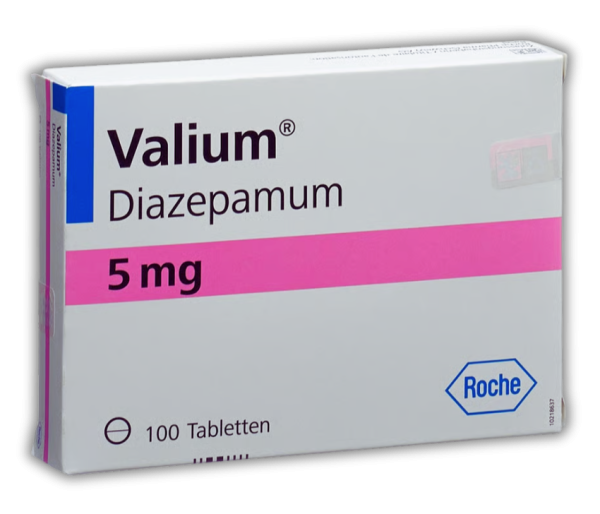
Diazepam stands out as one of the most widely recognized benzodiazepine medications in the UK. Doctors prescribe it for anxiety disorders, muscle spasms, seizure management, and even preoperative anxiety relief. Diazepam is FDA approved for these uses.
Understanding how diazepam works, where it fits in treatment, and what current research says can really help you make informed choices about your care. Recent evidence is actually challenging a lot of old beliefs about benzodiazepines like diazepam.
Research shows that while diazepam has risks, it’s not commonly abused by people without a history of substance misuse. Long-term use, under proper medical supervision, usually doesn’t lead to dose escalation. Studies keep highlighting the need to focus on real evidence, not just assumptions, when it comes to these meds.
The landscape of diazepam prescribing in the UK is shifting as researchers dig into clinical applications and long-term effectiveness. Scientists are looking at everything from how the drug works to concerns about tolerance and dependence, which definitely shape how doctors prescribe it.
Key Takeaways
- Diazepam is prescribed in the UK for anxiety disorders, muscle spasms, seizures, and preoperative anxiety. Its therapeutic effectiveness is well established.
- Evidence shows patients without substance abuse histories rarely misuse diazepam. Long-term use can maintain benefits without needing higher doses.
- Recent research stresses the importance of evidence-based prescribing and distinguishing between dependence and actual addiction.
Clinical Applications of Diazepam in the UK
Diazepam treats a range of conditions in UK clinical practice, from acute anxiety and muscle spasms to emergency seizure control. Its versatility comes from its effects on GABA receptors, which help calm nerves, relax muscles, and control seizures.
Role in Anxiety Disorders
Diazepam treats anxiety by boosting the effect of gamma-aminobutyric acid (GABA) in your brain. This produces a calming effect on your nervous system.
The NHS recommends diazepam mostly for short-term relief of severe anxiety that really disrupts daily life. UK guidelines say doctors should only prescribe it for anxiety when other treatments haven’t worked, or when symptoms are severe and need quick action.
Best-practice guidance suggests sticking to the lowest possible dose for as short a time as possible, usually just 2-4 weeks. Diazepam works fast, often within 30-60 minutes, but it’s not a long-term fix for anxiety. It relieves symptoms, but doesn’t tackle the root causes.
Management of Seizures and Epilepsy
Benzodiazepines are crucial for acute seizure control. Diazepam is especially important in emergencies like status epilepticus, where seizures won’t stop and consciousness doesn’t return.
During seizure emergencies, you might get diazepam in a few ways:
- Rectal administration (Stesolid or Diazepam Rectubes)
- IV injection in hospital
- Oral tablets for ongoing management
Diazepam is FDA approved for tough epilepsy cases and as an add-on for severe, recurring seizures. Neurologists often use it with other anti-epileptic drugs when one medication isn’t enough. The quick onset makes it valuable for breakthrough seizures.
Use in Muscle Spasms and Spasticity
Diazepam’s muscle-relaxing effects help treat spasms from neurological and musculoskeletal conditions. It’s approved for spasticity from upper motor neuron disorders and as an add-on for muscle spasms.
If you have muscle spasticity from things like cerebral palsy, MS, or spinal cord injury, your doctor might suggest diazepam. It reduces excessive muscle tone by acting on spinal reflexes.
Doctors usually prescribe lower doses for muscle spasms than for anxiety. The goal is symptom relief, helping you move better and feel less discomfort. Combining diazepam with physiotherapy often gives the best results.
Alcohol Withdrawal Treatment
Diazepam is a first-line option for managing alcohol withdrawal in UK hospitals and detox programs. It helps prevent or reduce withdrawal symptoms like tremors, agitation, seizures, and delirium tremens.
Clinical trials are looking at the best dosing regimens and outcomes for alcohol withdrawal. Doctors usually start with higher doses, then taper down over 5-7 days.
Diazepam’s long half-life and active metabolite provide steady symptom control. This reduces ups and downs between doses, especially compared to shorter-acting benzodiazepines. Medical supervision is essential, since your doctor needs to adjust the dose based on how severe your symptoms are.
Mechanism of Action and Pharmacology
Diazepam works by enhancing GABA, the brain’s main inhibitory neurotransmitter. It binds to specific spots on GABAA receptors, calming things down in the nervous system.
Interaction with GABA and GABAA Receptors
Diazepam binds at an allosteric site between the alpha and gamma subunits on GABAA chloride channels. This doesn’t activate the receptor directly, but it makes the chloride channel open more often when GABA is around.
The increased chloride flow hyperpolarizes neurons, making them less excitable. Different brain regions mediate different effects—binding in the limbic system calms anxiety, while spinal cord and motor neuron effects relax muscles.
Binding in the cortex, thalamus, and cerebellum brings on sedation, memory loss, and anticonvulsant effects. The specific alpha subunit makeup of GABAA receptors shapes the response: α1 subunits mainly cause sedation, while α2 and α3 are more about anxiety relief.
Pharmacokinetics and Metabolism
After you take diazepam by mouth, over 90% gets absorbed, with peak levels at 1 to 1.5 hours. Eating slows things down, pushing the peak to about 2.5 hours.
Diazepam is highly lipophilic, and about 98% binds to plasma proteins, so it crosses the blood-brain barrier quickly. The liver metabolizes it mainly via CYP2C19 and CYP3A4 enzymes.
The main active metabolite is desmethyldiazepam; there are smaller amounts of oxazepam and temazepam too. Diazepam’s half-life is around 46 hours, but desmethyldiazepam can stick around up to 100 hours.
Its volume of distribution sits between 0.8 and 1.0 L/kg. With repeated doses, diazepam builds up, making the elimination half-life longer. It takes about 5-10 days of regular dosing to hit steady-state concentrations. Oral tablets usually absorb better than intramuscular injections.
Impact on the Central Nervous System
Diazepam causes dose-dependent CNS depression by boosting GABAergic inhibition. At low doses, you’ll mostly feel less anxious, with little sedation.
Higher doses bring on more sedation, muscle relaxation, and anticonvulsant effects. The drug can also cause anterograde amnesia, which is sometimes helpful during medical procedures, but not so great if you’re taking it often.
Sedation usually starts within 15 to 60 minutes of taking it by mouth and can last over 12 hours. IV administration works even faster, with effects in 1 to 3 minutes.
Not all effects are predictable—some people, especially older adults, can have paradoxical reactions like agitation or aggression. If that happens, you should stop the drug immediately. Diazepam crosses the placenta and enters breast milk, so it can affect babies and developing foetuses.
Safety Profile, Tolerance, and Risks of Diazepam
Diazepam comes with important safety considerations, especially around cognitive effects and the risk of dependence. Knowing these risks helps you and your doctor use it safely and avoid serious issues like withdrawal or overdose.
Adverse Effects and Cognitive Impairment
Diazepam can depress your central nervous system, leading to cognitive and physical side effects. You might feel drowsy, confused, or unsteady, which can mess with daily life.
Memory problems are a big concern. Some people develop anterograde amnesia, struggling to form new memories while on the drug. This is especially tricky for older adults, who already face higher risks of cognitive decline.
Common side effects:
- Drowsiness and fatigue
- Muscle weakness
- Dizziness and unsteadiness
- Blurred vision
- Headaches
If you’re older, you face higher risks—falls, hip fractures, and longer-lasting sedation. Kids can react differently, sometimes becoming hyperactive or agitated instead of sleepy.
Respiratory depression is a serious risk, especially if you mix diazepam with other CNS depressants. Overdosing on benzodiazepines can be fatal if your breathing slows down too much.
Potential for Dependence and Misuse
Tolerance and dependence on benzodiazepines can develop with regular use. Your body gets used to the drug, and you might need higher doses to get the same effect.
This physiological adaptation increases your risk of addiction and misuse. NICE advises only using benzodiazepines for 2-4 weeks during crises. Longer use ups your chances of dependence, even if you stick to prescribed doses.
Misuse can happen in people with prescriptions who take more than recommended, or in those who get the drug illegally. If you have a history of substance abuse or certain mental health issues, your risk is higher.
Risk factors for dependence:
- Using it longer than 4 weeks
- Higher doses
- Past substance abuse
- Mixing with alcohol or other drugs
Withdrawal and Management Strategies
Diazepam can cause withdrawal symptoms if you take it for a long time and then stop suddenly. Benzodiazepine withdrawal brings both physical and psychological symptoms, which can range from uncomfortable to dangerous.
You might notice anxiety rebound, insomnia, tremors, or sweating. In severe cases, some people even experience seizures.
Your nervous system adapts to diazepam over time, so stopping it abruptly can be rough. That’s why you need to reduce your dose gradually if you’ve used it for a while.
This tapering helps prevent severe withdrawal and gives your body time to adjust. The schedule for reducing your dose depends on how long you’ve been taking it and your current amount.
Medical supervision really matters, especially if you’ve used high doses or taken diazepam for a long time. Your healthcare provider can keep an eye on your symptoms and adjust the tapering speed if needed.
Comparative Efficacy, Prescribing Practices, and Research Directions
Diazepam’s role in modern psychopharmacology keeps shifting as comparative effectiveness research offers clearer evidence on benzodiazepine choices. Prescribing trends now lean toward shorter-term use and tighter oversight.
Diazepam versus Other Benzodiazepines
If your doctor’s weighing options for generalised anxiety disorder or acute seizures, diazepam (Valium) competes with other benzodiazepines that differ in onset, duration, and uses. Lorazepam has intermediate action and reliable absorption, making it good for acute anxiety without diazepam’s long half-life.
Oxazepam is shorter-acting and doesn’t have active metabolites, which is better for older adults or people with liver issues. Alprazolam works fast for panic attacks but brings a higher risk of dependency.
Clonazepam’s longer half-life makes it useful for epilepsy management, much like diazepam. For sedation during procedures, midazolam acts quickly and wears off fast, so hospitals often prefer it over diazepam.
Comparative benzodiazepine characteristics:
| Medication | Half-Life | Primary Clinical Use | Onset Speed |
|---|---|---|---|
| Diazepam | 20-100 hours | Anxiety, seizures, muscle spasm | Rapid |
| Lorazepam | 10-20 hours | Acute anxiety, status epilepticus | Intermediate |
| Alprazolam | 6-12 hours | Panic disorder | Very rapid |
| Clonazepam | 18-50 hours | Epilepsy, panic disorder | Intermediate |
| Temazepam | 8-22 hours | Insomnia | Intermediate |
Research comparing benzodiazepine effectiveness shows that evidence and clinical context are key to decision-making. Dosage tweaks and individual factors can really change outcomes.
Long-Term Use Trends and Regulation
Long-term benzodiazepine use has dropped in the UK after evidence linked it to cognitive impairment, dependency, and withdrawal problems. Prescriptions now reflect more caution, with most guidelines suggesting just 2-4 weeks for anxiety disorders.
Still, some people—especially older adults who started decades ago—continue chronic use. Regulatory bodies have tightened rules for diazepam and similar drugs.
The NHS now pushes better prescribing for safer healthcare with regular reviews and slow dose reductions. SSRIs have mostly replaced benzodiazepines for long-term anxiety treatment, but diazepam still has a place in acute cases.
Testing protocols are more rigorous about benzodiazepine misuse. Prescription monitoring programs track dispensing to spot dependency issues.
Clinicians need clear reasons for extended use. The move away from barbiturates years ago set the stage for today’s careful approach to benzodiazepines.
Recent Advances and Ongoing Studies
Current research digs into comparative effectiveness using real-world data, which gives a broader picture than classic clinical trials. Recent studies have looked at diazepam’s metabolite profiles and how they affect the drug’s duration, which impacts dosing for certain groups.
Researchers are also exploring genetic differences in how people metabolise benzodiazepines. This could eventually lead to more personalised dosing.
Some ongoing trials compare diazepam to chlordiazepoxide for alcohol withdrawal, aiming to find the best protocols. Other research tries to pin down the lowest effective doses to cut dependency risk but still help patients.
Comparative effectiveness research now includes patient-reported outcomes, not just clinical ones. Scientists are also searching for alternatives that calm anxiety without the baggage of benzodiazepines, but so far, nothing matches diazepam’s speed and punch for acute anxiety.
Frequently Asked Questions
Diazepam is still a controlled substance in the UK, with strict prescribing rules. Recent research keeps uncovering new details about its effects, long-term risks, and potential for dependence.
What are the current legal classifications and regulations around Diazepam usage in the United Kingdom?
Diazepam falls under Class C in the Misuse of Drugs Act 1971. You can’t legally possess it without a prescription from a registered healthcare professional.
It’s also a Schedule 4 controlled drug under the Misuse of Drugs Regulations 2001. Doctors can prescribe it for valid medical reasons, but pharmacists have to keep records of every supply.
If you’re caught with diazepam without a prescription, you could face up to two years in prison or an unlimited fine. Supplying it to others can land you up to 14 years.
How does Diazepam interact with the body and what are its physiological effects?
Diazepam binds to receptors in your brain and spinal cord. It boosts the effects of gamma-aminobutyric acid (GABA), a neurotransmitter that calms brain activity.
When you take diazepam, it increases the levels of a calming chemical in your brain. This leads to sedation, anxiety relief, muscle relaxation, and anticonvulsant effects.
The drug affects how your brain cells communicate. Your body absorbs diazepam through your digestive system after you swallow it.
It usually reaches peak blood levels within 30 to 90 minutes. Diazepam hangs around for quite a while, with a half-life of 20 to 100 hours.
What are the recent scholarly findings on the long-term effects of Diazepam therapy?
Recent studies have raised flags about cognitive impairment from long-term benzodiazepine use. Research from 2023 and 2024 suggests that taking diazepam for a long stretch might impact memory and recall for some people.
These cognitive problems can stick around even after you stop the medication. A 2025 study looked at older adults and found that using diazepam for more than three months increased the risk of falls and fractures.
This risk has made doctors more cautious about prescribing it to elderly patients. Long-term use has also been tied to changes in brain structure.
Neuroimaging from late 2024 showed that people on benzodiazepines for a long time had changes in grey matter in certain brain areas. But researchers say we still need more studies to figure out what that really means for patients.
In what ways have recent studies altered our understanding of Diazepam dependence and withdrawal?
Recent research suggests that physical dependence can develop faster than we once thought. Studies from 2024 found some patients had withdrawal symptoms after just four weeks of steady use.
This has led healthcare providers to rethink how long they prescribe diazepam. Withdrawal can be more severe and last longer than earlier research indicated.
A 2025 study reported withdrawal effects dragging on for up to 18 months in people who’d used diazepam for extended periods. Symptoms included anxiety, insomnia, weird sensory experiences, and muscle tension.
New research has also found genetic factors that might make some people more prone to dependence. Scientists identified certain gene variants in 2024 that seem to raise the risk.
This could eventually lead to more personalised prescribing based on your genetic makeup, but we’re not there yet.
What are the latest advancements in Diazepam administration for managing anxiety disorders?
Right now, research is looking at intermittent dosing—basically, taking diazepam only when you really need it, not every day. Studies from 2024 and 2025 tested “as-needed” protocols for acute anxiety episodes and found they cut dependence risk while still helping symptoms.
Digital tools have started to play a role, too. Mobile apps launched in 2025 help you track doses and symptoms, and can alert you or your doctor if your use looks risky.
Combining short-term diazepam with therapy has shown some promise. Research from 2024 found that people who got cognitive behavioural therapy along with brief diazepam courses did better in the long run.
This way, you get fast relief but also build up lasting coping skills. It’s not a perfect solution, but it’s a step forward.
How do current British medical guidelines suggest Diazepam should be prescribed and monitored?
The National Institute for Health and Care Excellence (NICE) says doctors should only prescribe diazepam for short-term relief of severe anxiety. Usually, treatment lasts between two to four weeks, which includes time to taper off.
Doctors must consider that the medicine is likely to affect your ability to drive. Your healthcare provider should warn you about using vehicles or machinery while you’re on diazepam.
This medication might cause drowsiness, ataxia, tiredness, or mess with your coordination. You could also notice your alertness drops off a bit.
Doctors need to keep a close eye on you during treatment. They should review your prescription at least every couple of weeks to see if it’s working and to watch for any signs of dependence.
They’ll also want to think about other options, like psychological therapies, since those might actually help more in the long run.
Prescribers should stick to the lowest effective dose for the shortest time possible. Guidelines suggest starting with 2mg, two or three times a day for anxiety, and only changing that if it’s really needed.
If you end up needing diazepam for longer than four weeks, your doctor should write down clear reasons and talk through the decision with you. It’s important you’re part of that conversation.

Reviews
There are no reviews yet.